
Disclaimer: This blog post is for informational purposes only and does not constitute financial or legal advice. While these budgeting practices can be highly effective, individual financial situations vary. It is always recommended to consult with a qualified financial advisor for personalized guidance.
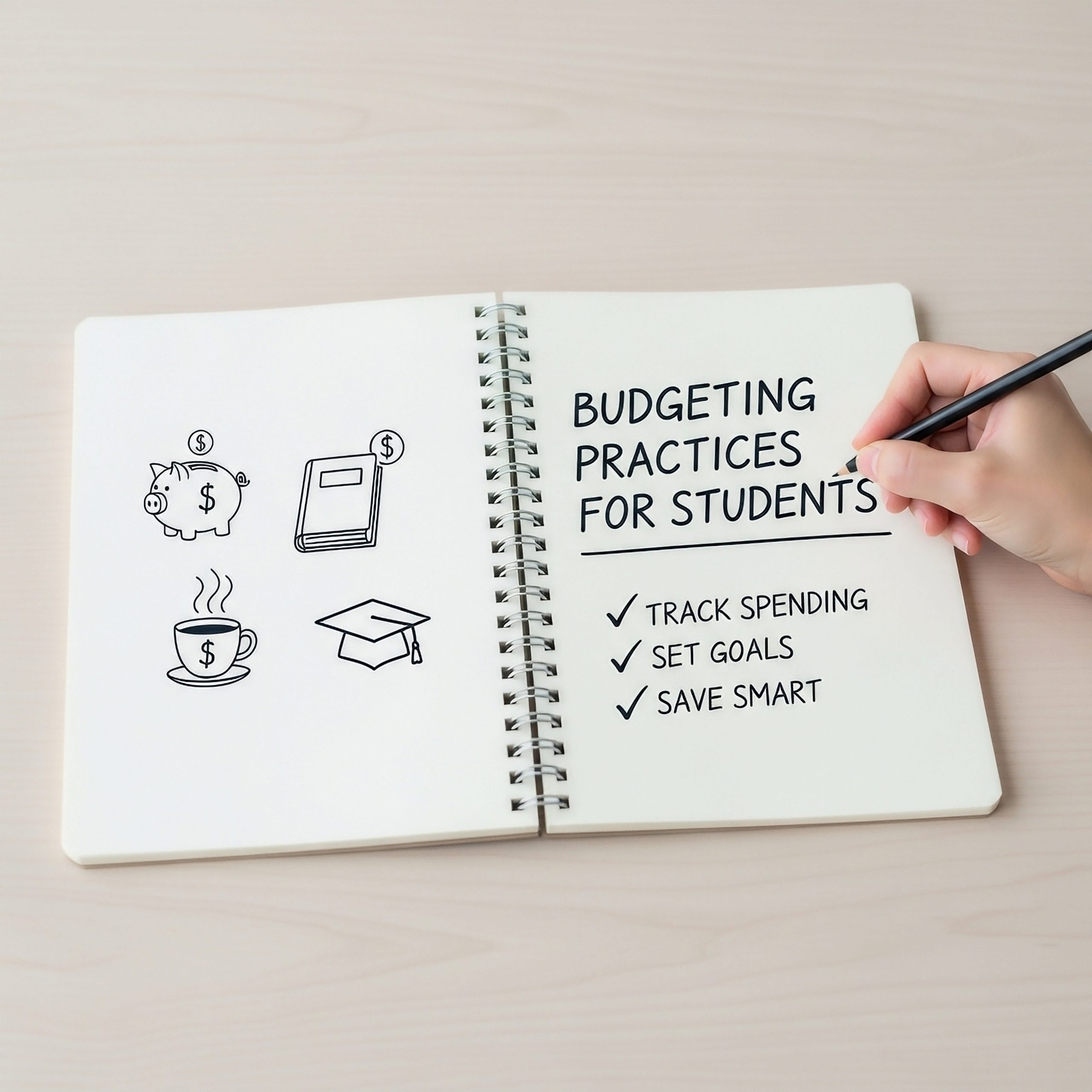
For many students, managing finances is a new and often daunting challenge. Balancing tuition, living expenses, textbooks, and a social life can quickly become overwhelming without a solid financial plan. However, by adopting smart budgeting practices, students can gain control over their money, reduce stress, and build a strong foundation for their financial future. This guide explores practical strategies to help students budget effectively and make the most of their resources.
Contents
Why Budgeting is Essential for Students
Budgeting isn’t just about restricting spending; it’s about understanding where your money goes and making conscious decisions about how to allocate it. For students, a budget can:
•Prevent Debt: Tracking income and expenses helps avoid overspending and accumulating unnecessary debt, a significant burden after graduation.
•Reduce Stress: Financial worries impact academic performance. A clear budget provides peace of mind and a sense of control.
•Achieve Financial Goals: Whether saving for study abroad, a car, or an emergency fund, a budget helps students work towards financial aspirations.
•Build Healthy Habits: Responsible money management during college sets the stage for lifelong financial literacy and success.
Key Steps to Smart Budgeting for Students
Creating an effective budget involves several straightforward steps. Consistency and adaptability are key.
1. Understand Your Income
List all income sources: student loans, grants, scholarships, parental contributions, part-time job wages, or money from selling old textbooks. Be realistic and only count guaranteed income [1].
2. Track Your Expenses
Meticulously record every dollar you spend for a month. Categorize expenses:
•Fixed Expenses: Costs that remain the same monthly (e.g., rent, utilities, phone, subscriptions).
•Variable Expenses: Fluctuating costs (e.g., groceries, dining out, entertainment, transportation, personal care). Tracking these reveals areas for cutbacks [2].
Budgeting apps, spreadsheets, or a notebook can help.
3. Differentiate Needs vs. Wants
Evaluate each expense. Needs are essential (e.g., housing, food, textbooks). Wants are discretionary (e.g., daily coffee, streaming, new clothes). Prioritizing needs over wants is crucial [1].
4. Create a Spending Plan
Develop a realistic spending plan based on income and expenses. The 50/30/20 Rule is popular: 50% for needs, 30% for wants, and 20% for savings/debt repayment [3]. Adjust percentages to fit your situation, ensuring expenses don’t exceed income.
5. Set Financial Goals (SMART Goals)
Define what you want your money to achieve. Set SMART goals – Specific, Measurable, Achievable, Relevant, and Time-bound. For example, “save $500 for textbooks by the start of next semester” [4].
6. Utilize Student Discounts and Campus Resources
Always ask for student discounts. Take advantage of campus amenities like the library, gym, and free events. Cooking at home, buying used textbooks, and using public transportation or biking save money [5].
7. Monitor and Adjust Your Budget Regularly
A budget is a living document. Review it weekly or monthly to stay on track and adjust as income or expenses change. Your budget should adapt to your dynamic student life.
8. Build an Emergency Fund
Unexpected expenses can derail plans. Build a small emergency fund for unforeseen costs like medical emergencies or laptop repairs. Regular small savings make a big difference.
Practical Tips for Saving Money
•Cook at Home: Frequent eating out drains budgets. Plan meals, buy groceries in bulk, and cook.
•Minimize Textbook Costs: Rent, buy used, or use e-books and library resources.
•Limit Subscriptions: Review and cancel unused streaming services, apps, and other subscriptions.
•Student ID Perks: Always carry your student ID for discounts.
•Part-Time Work: If academic schedule allows, a part-time job provides extra income.
Conclusion
Mastering smart budgeting practices is an invaluable skill for students. It helps navigate college financial challenges and instills lifelong discipline. By taking control of your finances, you reduce stress, achieve goals, and focus more on academic success and personal growth.