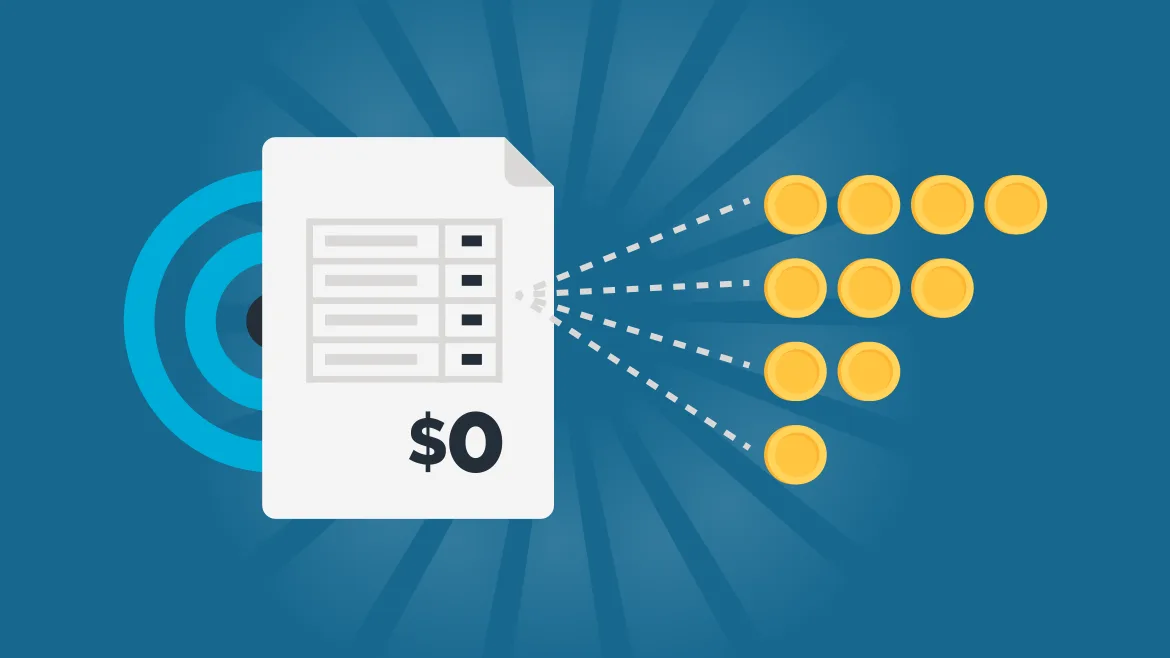

Most people budget by looking at their bank balance and trying not to spend too much. This is reactive. Zero-based budgeting (ZBB) is different—it is proactive. It is the simple but powerful rule that Income minus Expenses must equal Zero.
This doesn’t mean you have zero money left; it means you have assigned every single dollar of your income to a specific category, whether that’s rent, groceries, a vacation fund, or a savings goal. You are “giving every dollar a job” before the month even begins.
While you can do this with a spreadsheet, it is tedious. In 2026, the right zero-based budget app automates the math, syncs with your bank, and keeps you honest. Here are the top 3 apps built specifically for this methodology.
Contents
1. YNAB (You Need A Budget): The Life-Changing Powerhouse
Best For: People serious about breaking the paycheck-to-paycheck cycle and who want a complete financial philosophy.
YNAB is more than just an app; it is a cult favorite with a proven track record. It doesn’t just track what you spent; it forces you to allocate only the money you currently have. Its four-rule philosophy encourages you to “Roll with the Punches” (move money between categories when you overspend) and “Age Your Money” (get to a point where you are spending money you earned 30 days ago).
-
The Pros: Incredible educational resources, proactive planning, and a sleek mobile interface that makes entering transactions easy.
-
The Cons: It has a steeper learning curve than others and a higher annual subscription price, but die-hard users swear the savings outweigh the cost.
2. EveryDollar: The Simplicity King
Best For: Dave Ramsey fans and beginners who want a straightforward, no-nonsense setup.
Created by Ramsey Solutions, EveryDollar is the purest digital version of the zero-based budget. Its interface is clean, simple, and rigid. You input your income at the top, create your categories, and drag and drop until the “Left to Budget” number hits exactly $0.00.
-
The Pros: Extremely easy to set up—you can build your first budget in 10 minutes. The free version is robust if you don’t mind manually entering transactions.
-
The Cons: The “Premium” version (required for automatic bank syncing) is pricey. It lacks some of the flexible, long-term reporting features found in YNAB.
3. Goodbudget: The Digital Envelope System
Best For: Couples, families, and visual learners who prefer the “envelope” metaphor.
Before apps, people put cash into physical envelopes marked “Groceries” or “Gas.” When the envelope was empty, you stopped spending. Goodbudget digitizes this experience. You create “envelopes” for your expenses. When you spend, you take money out of that specific digital envelope. It is fantastic for shared budgeting because it syncs across multiple devices, allowing a partner to see if there is enough money left in the “Dining Out” envelope before they buy lunch.
-
The Pros: Great free tier (10 envelopes), excellent for household coordination, and a very intuitive visual interface.
-
The Cons: Manual entry is the focus (no automatic bank syncing in the standard way), which requires discipline.
Which One Should You Choose?
-
Choose YNAB if you want a complete financial overhaul and love data.
-
Choose EveryDollar if you want the quickest, simplest way to start zero-based budgeting today.
-
Choose Goodbudget if you are budgeting with a partner and want a shared view of your spending limits.
The magic of a zero-based budget app isn’t the software itself; it’s the habit it builds. By forcing you to make a decision about every dollar you earn, you move from passively watching your money disappear to actively directing your financial future.